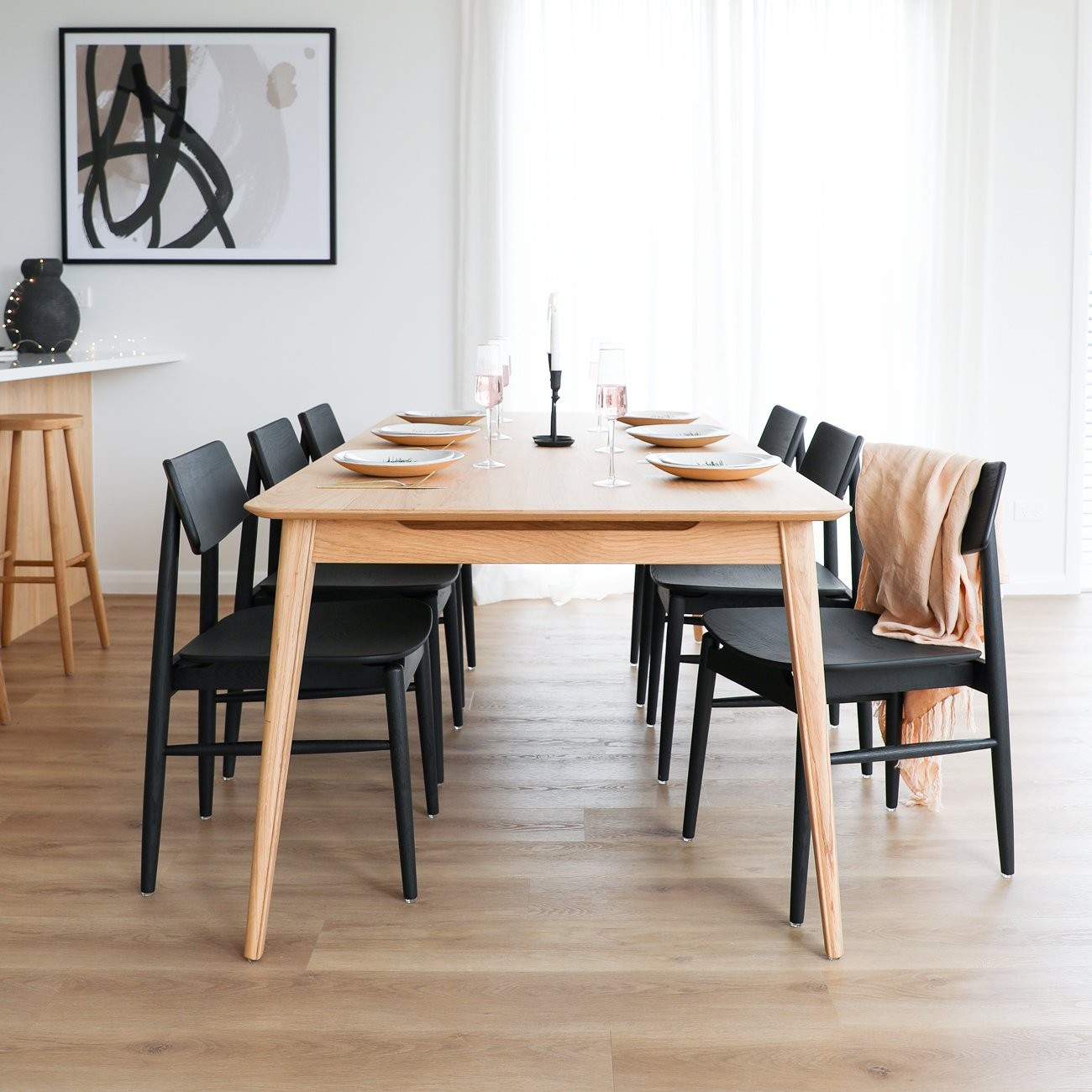
Choosing the Right Dining Table for Everyday Living and Entertaining
A dining table is one of the most used pieces of furniture in the home. It is where meals are shared, conversations happen, work gets done, guests gather and everyday family life unfolds. Because of this, choosing the right dining table is about more than simply finding something that looks good. It needs to suit your space, your lifestyle and the way you use your home day to day.
Whether you are furnishing a new home, updating your dining area or investing in a quality timber dining table that will last for years, taking the time to consider size, shape, material and layout will help you make a better choice. From compact round dining tables to large extendable dining tables for entertaining, there are plenty of options to suit different homes and different ways of living. This guide covers the key things to think about when choosing a dining table, so you can find a piece that feels practical, comfortable and well suited to your home.
Start With How You Use Your Dining Space
Before choosing a dining table, think about how your dining area is used most often. Some homes have a formal dining room reserved for special occasions, while others use the dining table every day for breakfast, dinner, homework, working from home or catching up over coffee. If your dining table is used daily, durability and comfort should be high priorities. You may want a surface that can handle regular use, dining chairs that are comfortable for longer periods, and a style that feels relaxed rather than too formal.
If you entertain often, it may be worth choosing a larger table or an extendable dining table that gives you more flexibility when guests come over. A table that works for everyday meals but can expand for birthdays, family dinners or long lunches can be a smart choice, especially if you want to make the most of your available space. For smaller homes, open-plan layouts or apartment living, the right dining table needs to offer function without overwhelming the room. In these spaces, shape and scale become especially important.
Choosing the Right Dining Table Size
Size is one of the most important factors when choosing dining furniture. A table that is too large can make a room feel cramped, while a table that is too small may not feel practical for your household. As a general guide, allow enough room around the table for people to pull out their dining chairs and move comfortably. Ideally, there should be space to walk around the table even when chairs are in use. This helps the room feel more open and makes everyday dining easier.
Consider How Many People You Seat Regularly
Start by thinking about how many people usually sit at the table. A four-seater dining table may be enough for a couple or small family, while a six-seater or eight-seater may be better for larger households or those who often host guests. It can be tempting to buy the biggest table possible, but the best choice is usually the table that suits your everyday needs first. Occasional entertaining can often be managed with an extendable dining table or extra dining chairs brought in when needed.
Measure the Room Carefully
Before purchasing, measure the dining space and mark out the table size if possible. This can help you visualise how the table will sit in the room and whether there is enough clearance around it. If your dining area is part of an open-plan living space, consider how the table relates to nearby furniture, walkways, kitchen islands and doors. The dining table should feel connected to the room without blocking the natural flow of movement.
Choosing the Best Dining Table Shape
The shape of your dining table can make a big difference to how the room feels and how people interact around it. The most common options are rectangular, round, square and oval, each with its own benefits.
Rectangular Dining Tables
A rectangular dining table is a classic choice and works well in many New Zealand homes. It is especially practical for longer dining rooms or open-plan spaces, as it follows the natural shape of the room and can seat more people comfortably. Rectangular dining tables are also easy to pair with a variety of dining chairs, benches or mixed seating options. If you entertain regularly, a rectangular table often provides the most surface space for shared meals, platters and table settings.
Round Dining Tables
A round dining table is a great option for smaller spaces, square rooms or homes where a more relaxed, conversational feel is preferred. Because there are no corners, round tables can help improve flow in compact areas and make it easier for people to move around. Round dining tables also create a more intimate dining experience, as everyone is seated closer together. They work particularly well for smaller households, breakfast nooks and casual dining spaces.
Extendable Dining Tables
An extendable dining table offers flexibility, making it a practical choice for homes that need to adapt. It can stay compact for everyday use and extend when extra seating is required. This is especially useful if you enjoy entertaining but do not want a large table taking up space all the time. Extendable dining tables are also helpful for growing families or multi-use spaces where flexibility matters.
Oval and Square Dining Tables
Oval dining tables can offer the length of a rectangular table with a softer shape, making them a good option for rooms where you want a more flowing look. Square dining tables can work well in smaller square rooms, although they may not be as flexible for seating larger groups. The right shape will depend on your room layout, seating needs and the overall feeling you want to create.
Why Material Matters
The material of your dining table affects not only the look of the piece but also how it performs over time. Dining tables are high-use furniture pieces, so durability is important.
Timber Dining Tables
A timber dining table is a timeless choice that brings warmth, texture and natural character into the home. Timber works well across a wide range of interiors, from classic and rustic to contemporary and modern. One of the benefits of timber is that it can suit both everyday living and more formal dining settings. It feels inviting and practical, while still offering a sense of quality. Different timber tones can also change the overall feel of the space. Lighter timber can make a room feel fresh and relaxed, while darker timber can create a richer, more grounded look. When choosing a timber dining table, consider the finish as well as the colour. A well-finished surface will help protect the table from everyday wear, while still allowing the natural beauty of the timber to show through.
Modern Dining Table Finishes
A modern dining table may feature clean lines, slim profiles, mixed materials or contemporary finishes. These tables are ideal for homes with a more minimal or modern interior style. Glass, metal, stone-look finishes and painted surfaces can all create a different effect. However, it is important to think about maintenance as well as appearance. Some surfaces may show fingerprints, marks or scratches more easily than others. For many homes, the best dining table is one that balances style with practicality.
Matching Your Dining Table With Dining Chairs
Dining chairs play a major role in the comfort and overall look of your dining area. While the table is often the main feature, the chairs help define the style and usability of the space. You can choose a matching dining furniture set for a coordinated look, or mix different dining chairs with your table for a more collected feel. Both approaches can work well, depending on the style of your home.
Comfort Comes First
Because dining chairs are used often, comfort should not be overlooked. Consider the seat height, back support and overall proportions. The chairs should fit comfortably under the table, with enough room for people to sit without feeling squeezed. If your dining table is also used for work, study or longer gatherings, comfort becomes even more important.
Think About Proportion
The size of the chairs should suit the scale of the table. Larger, upholstered dining chairs can look beautiful, but they may take up more space. Slimmer chairs may be more practical for smaller dining areas or when you need to seat more people. It is also worth considering how the chairs look from different angles, especially in open-plan homes where the dining area is visible from the kitchen or lounge.
Choosing a Style That Suits Your Home
Your dining table should feel connected to the rest of your home. It does not need to match everything perfectly, but it should sit comfortably within your overall interior style. For a warm and natural look, a timber dining table can pair beautifully with neutral tones, soft textures and relaxed styling. For a more contemporary home, a modern dining table with clean lines may be a better fit. If your space has a mix of old and new pieces, a simple dining table in a timeless design can help bring everything together. When visiting a furniture store or browsing dining tables online, it can help to consider the wider room. Think about flooring, lighting, wall colour, nearby cabinetry and other furniture pieces. These details all influence how the dining table will look once it is in your home.
Practical Details to Consider
While style matters, small practical details can make a big difference over time. Consider how easy the table is to clean, especially if you have children or entertain often. Think about the table legs and whether they allow enough space for dining chairs. Pedestal bases can be useful for round dining tables, as they often provide more flexible seating. Also consider whether the table will be exposed to direct sunlight, heat or heavy daily use. The right care and placement can help protect your dining furniture and keep it looking good for longer.
Creating a Dining Space That Works for Everyday Living
A well-chosen dining table can make everyday life feel easier and more enjoyable. It gives the home a natural gathering point and creates a space for connection, whether that is a quick weekday meal or a long dinner with friends. To complete the space, consider lighting, rugs, artwork and storage. A pendant light above the table can help define the dining area, while a rug can add softness and warmth. Sideboards or cabinets can also be helpful for storing tableware, serving pieces and other dining essentials. The goal is to create a space that feels inviting, practical and true to the way you live.
Final Thoughts
Choosing the right dining table comes down to finding the balance between size, shape, material, comfort and style. A table should suit your home now, while also being versatile enough to support the way your household may change over time. Whether you are looking for a compact round dining table, a generous timber dining table, a flexible extendable dining table or a modern dining table for an open-plan space, the right choice will bring both function and character to your home.
At Lewis & Co, the focus is on quality dining furniture that feels considered, practical and made for real homes. By taking the time to understand your space and how you use it, you can choose a dining table that becomes a natural part of everyday living and entertaining.
FAQs About Choosing a Dining Table
What size dining table should I choose?
The right size depends on your room and how many people you need to seat regularly. Make sure there is enough space around the table for dining chairs to be pulled out comfortably and for people to move around the room.
Is a round dining table good for small spaces?
Yes, a round dining table can work very well in smaller spaces. The lack of corners helps improve flow, and the shape creates a relaxed, conversational setting.
What are the benefits of an extendable dining table?
An extendable dining table gives you flexibility. It can stay smaller for everyday use and extend when you have guests, making it ideal for homes where space is limited but entertaining is still important.
Why choose a timber dining table?
A timber dining table offers warmth, durability and timeless appeal. It works with many interior styles and can bring natural texture and character into the dining space.
Do dining chairs need to match the table?
No, dining chairs do not need to match perfectly. A coordinated dining furniture set can create a polished look, while mixed chairs can feel more relaxed and personal. The most important thing is that the chairs are comfortable and suit the scale of the table.
What makes a dining table good for entertaining?
A good dining table for entertaining should offer enough seating, comfortable spacing and a practical surface for serving food. Extendable dining tables are especially useful because they can adapt when you need more room.