Bright Ideas: Choosing the Right Lighting for Your Home
Lighting has a major influence on how a room looks, feels and functions. If you’re wondering how to choose lighting for your home, start by thinking about how each space is used, the mood you want to create and the type of light each room needs.
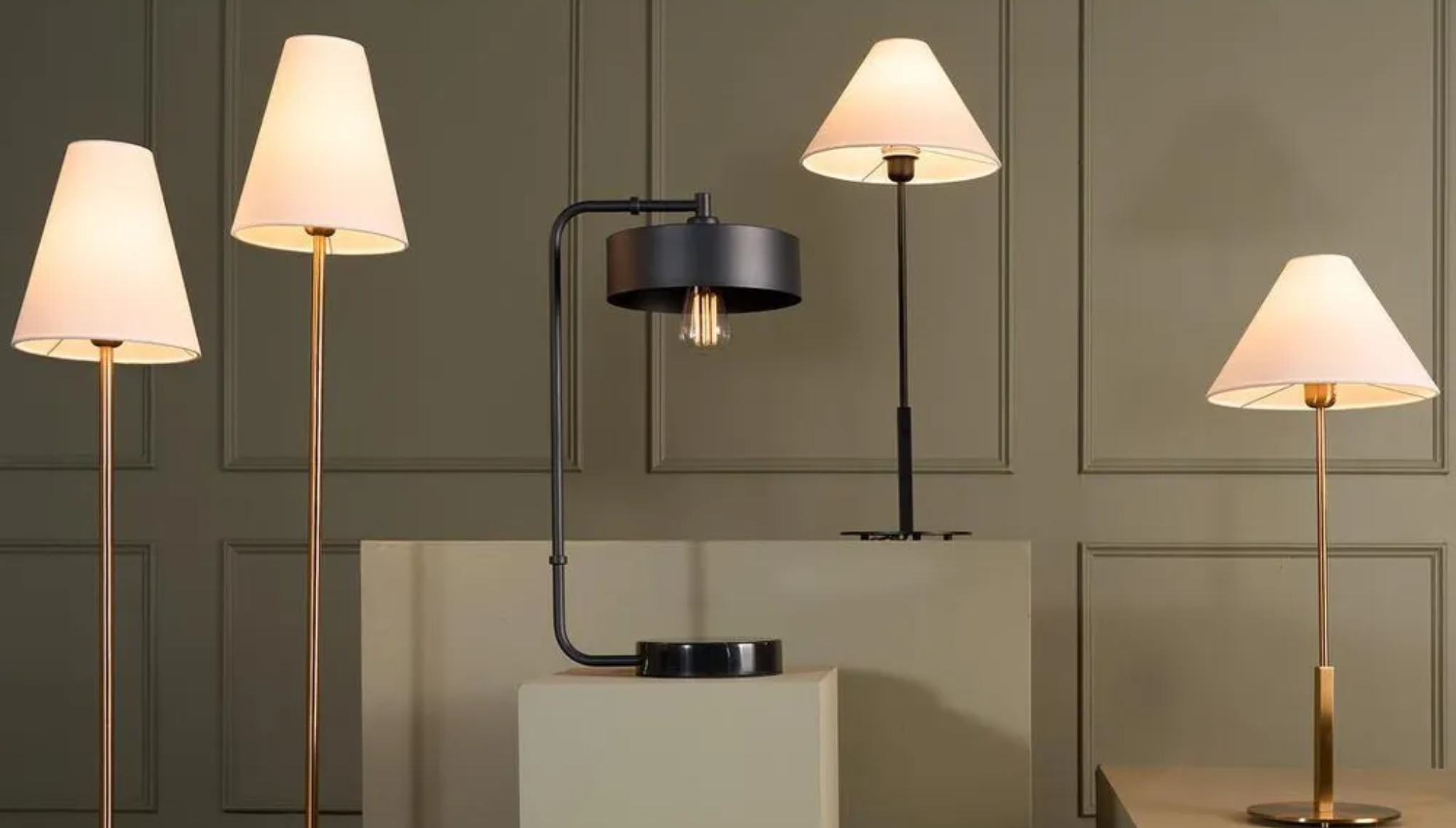
The best results usually come from combining different light sources rather than relying on a single fixture. Pendant lights and chandeliers can provide general illumination and create a focal point, while floor lamps and table lamps add softer, more flexible lighting for reading, relaxing or highlighting certain areas.
Think About What Each Room Needs
The first step in choosing the best lighting for each room is understanding what happens in the space. A living room used for relaxing and entertaining needs different lighting from a kitchen where visibility is important for cooking and food preparation.
Think about the activities each room needs to support. Reading or working may require focused task lighting, while dining and relaxing generally benefit from softer light that creates atmosphere. Bedrooms may need a combination of practical lighting for getting ready and warmer lighting for winding down in the evening.
Natural daylight also matters. A bright room may need less artificial light during the day than a darker hallway or shaded living space. A useful home lighting guide should therefore consider both function and existing daylight. Good lighting for different rooms starts with understanding how each space is actually used.
Understand the Three Layers of Lighting
A well-lit room rarely relies on a single light source. Instead, effective layered lighting for the home combines ambient, task and accent lighting to make the space both practical and inviting.
Ambient Lighting
Ambient lighting provides the general illumination for a room. It is usually the main source of light and may come from ceiling fixtures, pendant lights or chandeliers. Its purpose is to make the whole room comfortably visible rather than illuminate one specific activity.
Task Lighting
Task lighting provides more focused light where it is needed. Reading lamps beside a chair, table lamps near a workspace and lighting over kitchen preparation areas are common examples. It helps make everyday activities easier without requiring the whole room to be brightly lit.
Accent Lighting
Accent lighting adds depth and atmosphere. It can highlight artwork, furniture, architectural features or decorative objects while creating a softer mood.
Combining ambient, task and accent lighting gives you greater flexibility and allows the room to adapt throughout the day.
How to Choose Lighting for Your Living Room
When considering how to light a living room, flexibility is important. Living rooms are often used for several activities, from entertaining guests to reading, watching television and relaxing in the evening.
A layered approach allows you to create different levels of light throughout the space. Decorative ceiling lighting can provide general illumination, while floor lamps beside sofas or armchairs can add height and focused light for reading. Table lamps on side tables, consoles or cabinets introduce softer pools of light and can make the room feel warmer in the evening.
Many living room lighting ideas in NZ focus on combining several sources rather than trying to illuminate the entire room evenly. This gives you more control over the atmosphere and reduces reliance on one bright overhead fixture.
Think about where people sit, how much natural light the room receives and where extra illumination would be useful. The goal is to create comfortable lighting that can adapt to different activities.
Choosing the Right Lighting for Your Dining Room
Dining room lighting should provide enough illumination for meals while helping create a welcoming atmosphere. Pendant lights and chandeliers are popular choices because they can visually define the dining area and create a strong focal point above the table.
When considering how to choose dining room lighting, look at the size and shape of both the table and the room. A fixture should feel proportionate rather than appearing too small or overwhelming the space. Dining room pendant lights are generally positioned centrally above the table to create a balanced look.
Warm light can make dining spaces feel more comfortable and inviting, particularly in the evening. Dimmable lighting can also provide useful flexibility, allowing brighter illumination when needed and softer light for relaxed meals or entertaining.
If you are exploring pendant lights in NZ or pendant lighting in Christchurch, consider both the practical light they provide and how the fixture complements your dining table, furniture and wider interior style.
How to Choose Bedroom Lighting
Good bedroom lighting should support practical everyday activities while creating a calm environment for rest. Rather than relying on a single bright ceiling fixture, combine soft ambient lighting with smaller light sources where they are most useful.
Bedside lamps are a practical option for reading and provide softer light in the evening. Matching lamps on either side of the bed can create symmetry, although they do not need to be identical if the room has a more relaxed or eclectic style.
When exploring bedroom lighting ideas, consider where you get dressed, read or prepare for bed. Focused lighting may be useful in these areas, while warmer, softer light generally works better when winding down.
If you are looking for table lamps in NZ, consider the height of both the bedside table and bed so the lamp feels appropriately scaled. Choosing warm lighting for bedrooms can also help create a more comfortable and restful atmosphere.
Lighting Your Kitchen
Kitchens often require stronger and more practical lighting because many everyday tasks involve preparing food and working with utensils. A good lighting plan combines general ambient illumination with focused task lighting over key work areas.
Preparation benches, sinks and cooking areas should be well lit without creating distracting shadows. Lighting positioned directly above or in front of these spaces can improve visibility and make the kitchen easier to use.
Kitchen pendant lighting can provide both function and style, particularly above an island or breakfast bar. Pendant lights can help define the area while introducing a decorative feature that complements nearby furniture and finishes.
When considering kitchen lighting ideas, avoid relying solely on a decorative fixture if it does not provide enough practical illumination. The most effective kitchens combine functional lighting where tasks take place with more decorative lighting that connects the kitchen with adjoining dining or living areas.
Lighting for Hallways, Entrances and Smaller Spaces
Hallways and entrance areas are easy to overlook, but thoughtful lighting can make them feel more welcoming and connected to the rest of the home.
Good entrance lighting ideas might include a decorative ceiling fixture or a table lamp placed on a console to create a softer first impression. In darker spaces, additional hallway lighting can improve visibility while preventing narrow areas from feeling gloomy.
Scale is especially important in smaller spaces. Large fixtures can overwhelm a compact entrance, while very small lamps may not provide enough visual impact. Choose decorative lighting that suits the proportions of the area and complements nearby furniture and finishes.
A well-placed table lamp can also add warmth to a hallway or entrance without requiring major changes to the existing lighting.
How to Choose Between Pendants, Floor Lamps and Table Lamps
Different fixture types serve different purposes, and many rooms benefit from using more than one. When deciding how to choose lighting for your home, consider both the practical role of each light and the visual effect it creates.
Pendant Lights and Chandeliers
If you are learning how to choose pendant lights or how to choose a chandelier, start with the size of the room, ceiling height and the furniture beneath it. These fixtures work particularly well above dining tables and other areas where overhead lighting can also act as a focal point.
Floor Lamps
When deciding how to choose a floor lamp, think about where additional height or focused light would be useful. Floor lamps work well beside sofas, armchairs and reading areas and can be moved more easily than fixed lighting.
Table Lamps
Knowing how to choose table lamps involves considering both their height and purpose. They can provide bedside lighting, illuminate a reading area or add softer ambience to a console or side table.
Combining pendants with floor lamps in NZ and table lamps in NZ can create a more layered and flexible lighting scheme.
Consider Size, Scale and Placement
Even a beautiful light fixture can look out of place if its proportions do not suit the room. Good lighting placement considers the size of the space, ceiling height and the furniture surrounding each fixture.
If you are asking what size pendant light do I need, look first at the furniture or area it will illuminate. A pendant above a dining table should feel proportionate to the table rather than the entire room alone. Ceiling height will also influence how large the fixture can be and how low it should hang.
The same principle applies to lamps. A floor lamp should sit comfortably alongside a sofa or chair, while a bedside or table lamp should be at a practical height for the person using it.
Good lighting scale is about balance. Fixtures that are too small can disappear visually, while oversized pieces may dominate the room. Considering proportions before purchasing helps create a more intentional and cohesive result.
Warm or Cool Lighting: Which Is Best?
Understanding warm vs cool lighting can help you create the right atmosphere for different parts of your home. Warm light generally has a softer, more inviting appearance, while cooler light can feel brighter and more suitable for areas where visibility and concentration are important.
Living rooms, dining rooms and bedrooms often benefit from warmer tones because these spaces are commonly used for relaxing. Warm lighting for a living room, for example, can make furniture, fabrics and timber finishes feel richer and more comfortable in the evening.
Brighter or cooler lighting may be useful in task-oriented areas such as kitchens or workspaces where clarity is more important.
When deciding on the best colour temperature for home lighting, also consider consistency. Lights positioned close together can feel disconnected if their colour temperatures vary dramatically. Choosing complementary tones helps create a cohesive atmosphere while still allowing different rooms to serve different purposes.
Match Your Lighting to Your Interior Style
Lighting is not only functional; it can also become an important part of the overall interior design. The shape, material, finish and scale of a fixture can reinforce the style of the room or introduce an intentional contrast.
For modern home lighting, clean lines, simple forms and understated finishes can complement streamlined furniture. Contemporary lighting in NZ may also include sculptural lamps or statement fixtures that become decorative features in their own right.
Not every light needs to make a statement. Neutral table or floor lamps can work quietly alongside bolder furniture, artwork or accessories, while designer lighting can become a focal point in a simpler room.
Try to coordinate your decorative lighting with the wider interior rather than matching every finish exactly. Repeating similar materials, shapes or tones can create consistency while still allowing individual fixtures to have their own character.
Create a Cohesive Lighting Plan Across Your Home
While each room has different lighting needs, it helps to think about how your lighting works across the home as a whole. Rooms that connect visually, such as open-plan kitchens, dining areas and living spaces, should feel related even when they use different types of fixtures.
You do not need to choose matching lights for every room. Instead, look for subtle connections through materials, finishes, shapes or colour tones. Consider how the lighting changes from daytime to evening and whether nearby fixtures create a consistent atmosphere when they are switched on together.
A thoughtful home lighting plan should also combine natural daylight with ambient, task and accent lighting. This creates a comfortable flow from one space to another while still allowing each room to have its own character and purpose.
Before You Choose a Light, Ask These Questions
Before purchasing a pendant, floor lamp or table lamp, consider a few practical questions:
- What will the light be used for? Decide whether you need general illumination, focused task lighting or softer ambience.
- Where will it sit? Consider nearby furniture, power points, ceiling height and available space.
- Is it the right scale? A fixture should feel proportionate to both the room and surrounding furniture.
- What atmosphere do you want? Think about whether the space needs brighter functional light or a warmer, more relaxed feel.
- Does it complement the room? Look at existing colours, materials, furniture and other lighting before making your choice.
Thinking through these details makes it easier to choose lighting that works practically while also contributing to the overall look of your home.
Bring Your Home to Life With the Right Lighting
The right lighting does more than brighten a room. It can create atmosphere, highlight the furniture and features you love, and make each part of your home more enjoyable to use.
Whether you are searching for home lighting in NZ, updating a living space or looking for lighting in Christchurch, consider how different fixtures can work together rather than choosing each one in isolation. Explore table lamps for softer ambience, floor lamps for flexible lighting, or pendants and chandeliers for a stronger focal point.
Lewis & Co offers a curated range of decorative lighting for a variety of interior styles. Browse the Lewis & Co lighting collection to explore table lamps, floor lamps, pendants and chandeliers and find pieces that complement your home.
Frequently Asked Questions
How do I choose the right lighting for my home?
Start with how each room is used, then consider ambient, task and accent lighting. Fixture size, placement, colour temperature and style should also work with the proportions and furniture in the room.
What are the three main types of lighting?
The three main types are ambient lighting, which provides general illumination; task lighting, which provides focused light for activities; and accent lighting, which adds atmosphere or highlights particular features.
How many lights should a living room have?
There is no fixed number. Most living rooms benefit from several light sources rather than one bright fixture, such as overhead lighting combined with floor and table lamps.
What type of lighting is best for a living room?
A layered combination usually works best. Use ambient lighting for general visibility, then add floor lamps, table lamps or other sources for reading, relaxing and creating atmosphere.
How do I choose the right pendant light?
Consider the size of the room, ceiling height, furniture dimensions and where the pendant will be positioned. The fixture should feel proportionate to the space and provide suitable light for its intended purpose.
What colour temperature is best for a home?
Warmer lighting generally suits relaxing areas such as bedrooms and living rooms, while brighter or cooler light may be useful in kitchens and workspaces.
Should lighting match throughout the house?
Lighting does not need to match exactly. Choosing complementary finishes, materials, shapes or tones can create consistency while allowing each room to have its own character.
Where should I use floor lamps and table lamps?
Floor lamps work particularly well beside sofas, armchairs and reading areas. Table lamps are useful beside beds, on side tables and consoles, or anywhere softer additional lighting would improve the room.