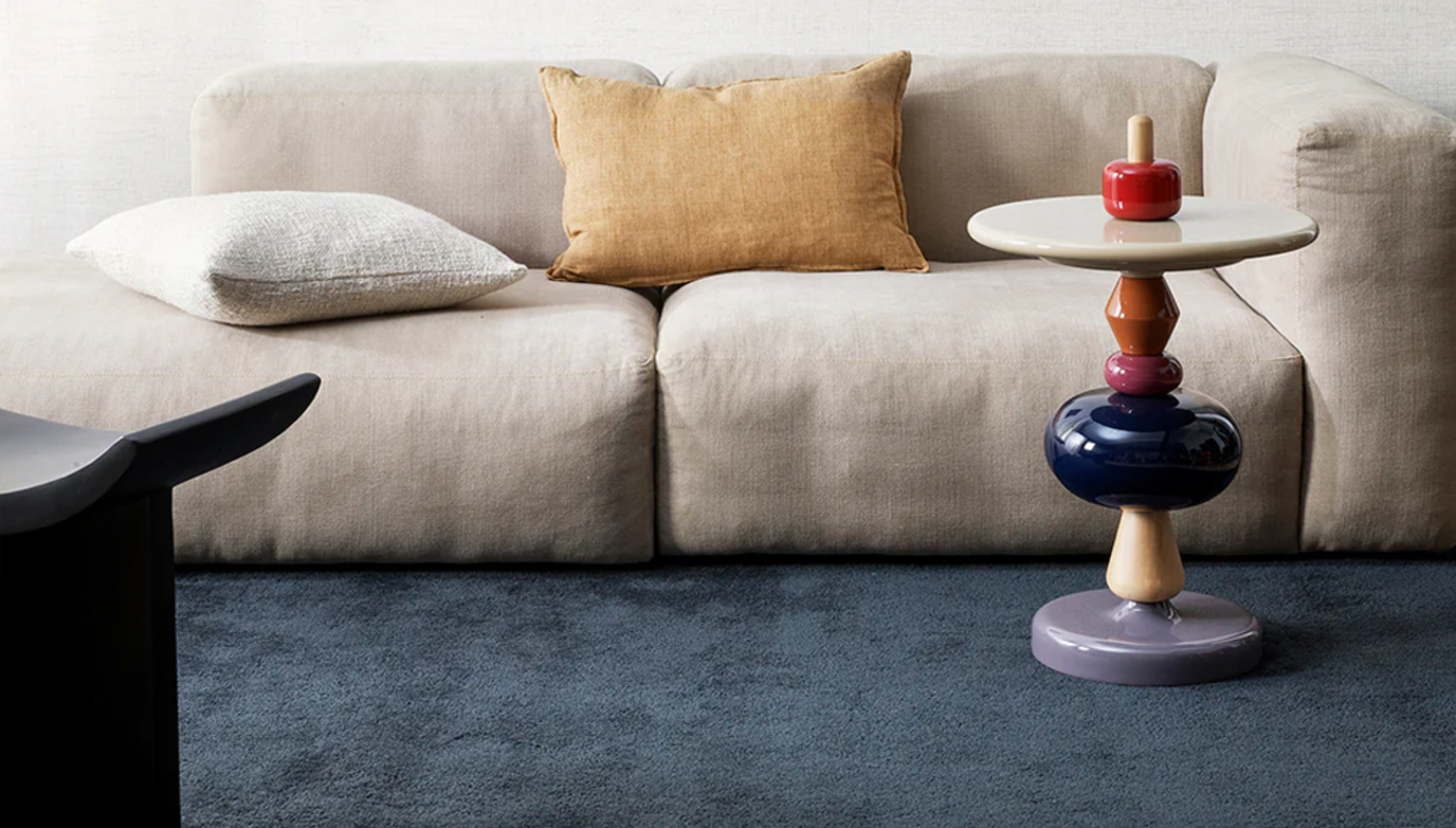
Living Room Rugs: How to Choose the Perfect One
Choosing the right rug can completely change the look and feel of your living space, bringing furniture, colour and texture together in a more cohesive way. If you’re wondering how to choose a rug for your living room, the key is finding the right balance between size, placement, material and style.
A rug should do more than simply cover the floor. It can help define your seating area, add warmth and comfort, and create a focal point that complements your existing furniture.
Match Your Rug to Your Lifestyle
When choosing the best rug for your living room, start by thinking about how the space is used every day. A busy family room may need a durable, easy-to-clean rug that can handle frequent foot traffic, children and pets, while a more formal living area may allow you to prioritise texture, colour and appearance.
For high-use spaces, high-traffic rugs made from practical materials can help maintain their look over time while still adding comfort underfoot. Open-plan living spaces may also benefit from a rug that helps define the seating area and visually separate it from nearby dining or kitchen zones.
As you explore different living room rug ideas, consider the balance between comfort, durability and style. Your lifestyle and the way you use the room should be among the first factors guiding your choice.
What Size Rug Do You Need for Your Living Room?
If you’re wondering what size rug works best for your living room, the key is proportion. A rug that is too small can make your sofa, chairs and coffee table feel disconnected, while a correctly sized rug helps anchor the furniture and create a more cohesive seating area.
Measure Your Living Room First
Before buying, measure both the available floor space and the area covered by your main furniture arrangement. A useful living room rug size guide should consider where the sofa and chairs sit rather than relying only on the overall dimensions of the room.
Try to leave some visible flooring around the outside of the rug so it does not overwhelm the space. You can also use masking tape on the floor to outline different rug dimensions before purchasing. This is a simple way to visualise how each option will sit alongside your furniture and whether it feels proportionate to the room.
Rug Size for Small vs Large Living Rooms
When deciding how to choose rug size, consider the scale of both the room and the furniture. Smaller living rooms generally suit a more compact rug that still connects the main seating pieces. In larger rooms, a small rug can look lost, so large living room rugs often create better balance.
If you are asking how big should a living room rug be, aim for a size that feels connected to the entire seating arrangement rather than one that sits beneath only the coffee table.
How Should a Rug Sit Under Your Sofa?
The position of your rug can make a big difference to how balanced and connected your living room feels. When deciding how to place a rug under a sofa, think about how it relates to your sofa, chairs and coffee table rather than treating it as a separate feature.
All Furniture Legs on the Rug
Placing all furniture legs on the rug works well in larger living rooms with a generously sized rug. This approach helps define the entire seating area and creates a more unified look. It is especially effective with large rugs and spacious open-plan interiors.
Front Legs on the Rug
A popular living room rug placement is to position only the front legs of the sofa and chairs on the rug. This helps connect the furniture without requiring an oversized rug and works well in both medium and larger spaces.
Rug in Front of the Sofa
In smaller living rooms, the rug can sit just in front of the sofa, often beneath the coffee table. However, it should still be wide enough to feel proportionate to the seating area.
If you’re wondering should a rug go under the sofa or should a rug be bigger than the sofa, there is no single rule. The best approach is one that visually connects the furniture and suits the proportions of your room.
Choose the Right Rug Material for Your Lifestyle
Material is just as important as size and style when selecting a living room rug. The best rug material for your living room depends on how much foot traffic the space receives, how much maintenance you are comfortable with, and the level of comfort you want underfoot.
Wool rugs for living rooms are a popular choice because they are naturally soft, durable and well suited to everyday use. Natural-fibre rugs can also add warmth and texture, although some materials may feel firmer underfoot. Synthetic fibres are often easier to maintain and can be a practical option for busy households with children or pets.
Texture also plays a role in both appearance and comfort. Deeper-pile and textured rugs can create a softer, more luxurious feel, while low-pile rugs are generally easier to clean and may be better suited to high-traffic areas.
For busy family spaces, look for durable living room rugs that can handle regular use without becoming difficult to maintain. In quieter or more formal rooms, you may have more freedom to prioritise softness, texture and visual impact.
How to Choose a Rug Colour for Your Living Room
Your rug should work with the room as a whole rather than being chosen in isolation. The colour of your sofa, flooring, curtains, cushions, walls and accessories should all help guide your decision.
If you’re unsure what colour rug for your living room will work best, start with the existing colour palette. Neutral rugs can create a calm, versatile foundation and work particularly well in rooms with bold furniture or patterned décor. A statement rug, on the other hand, can introduce colour and personality when the rest of the room is more understated.
Light-coloured rugs can help a smaller room feel brighter and more open, while darker rugs can add warmth, contrast and definition. Patterned rugs can also help tie several colours in the room together.
Should Your Rug Match Your Sofa?
When deciding how to match a rug with a sofa, avoid trying to match the colours exactly. Instead, choose complementary tones, patterns or textures that connect with the sofa and surrounding furniture.
The same principle applies when deciding how to match a rug with furniture. The goal is to create a balanced, cohesive room rather than a perfect colour match.
Plain, Patterned or Textured Rug?
Consider how much colour, pattern and texture already exists in your living space before choosing a rug. The right design should complement your furniture and décor without making the room feel too busy or too plain.
Plain rugs work well in rooms that already feature patterned cushions, bold artwork or statement furniture, helping create balance and a calmer foundation. Patterned living room rugs can do the opposite by adding personality, colour and a stronger focal point to a more neutral interior.
Textured rugs are another good option for adding warmth and depth without relying heavily on pattern. Different weaves and finishes can make a room feel softer and more inviting while keeping the overall look understated.
For modern living room rugs, contemporary geometric patterns, subtle textures and neutral tones can suit clean, streamlined interiors. When comparing contemporary living room rugs, consider the colours and patterns already present so the rug feels connected to the rest of the room.
Choosing a Rug for an Open-Plan Living Space
In an open-plan home, a rug can help define different spaces without the need for walls or partitions. A well-placed rug for open-plan living creates a clear lounge zone and visually separates it from nearby dining or kitchen areas.
Good living room rug placement should also keep the main furniture connected. The sofa, chairs and coffee table should feel like part of one arrangement rather than separate pieces floating within a larger room.
In bigger open-plan spaces, large living room rugs often work best because they provide enough scale to anchor the entire seating area. If you are using more than one rug, such as one in the lounge and another beneath the dining table, choose complementary colours, patterns or textures so the different zones feel distinct while still working together as part of the same overall interior.
Common Living Room Rug Mistakes to Avoid
Avoiding a few common mistakes can make your final rug choice feel much more balanced and practical.
- Choosing a rug that is too small: A small rug can make furniture feel disconnected rather than creating one cohesive seating area.
- Buying before measuring: Always measure the room and furniture layout before choosing a rug size.
- Ignoring furniture placement: Consider whether the sofa and chairs will sit fully or partially on the rug.
- Prioritising style over practicality: A beautiful rug may not be suitable for children, pets or heavy foot traffic.
- Choosing colour in isolation: Make sure the rug complements your sofa, flooring, walls and existing décor.
- Using the wrong material: High-traffic spaces generally need more durable, easy-care materials.
- Buying based only on online appearance: Colours, textures and scale can look different in person, so seeing the rug firsthand can help you make a more confident choice.
Finding the Right Living Room Rug in Christchurch
Seeing different rugs in person can make your decision much easier. Colours, textures and proportions can look different online, so visiting a showroom allows you to compare rugs alongside furniture and get a better sense of what will work in your space.
If you are searching for rugs in Christchurch, consider the size, material and style that best suits your home and lifestyle. Viewing different options in person can also help you better understand how a rug will work with your existing furniture, flooring and overall interior.
Bringing It All Together
Knowing how to choose a rug for your living room comes down to five key factors: size, placement, material, colour and style. The right rug should suit the proportions of your space, work with your furniture arrangement and fit the way your living room is used every day.
There is no single perfect option for every home. The best choice is one that balances appearance with comfort, durability and practicality while complementing your existing furniture and décor.
If you are exploring living room rugs NZ, Lewis & Co offers a range of styles, materials and sizes to suit different interiors and lifestyles. Browse the Lewis & Co rug collection to explore the available options and find the right rug for your living space.
Frequently Asked Questions
What size rug do I need for my living room?
Choose a rug that is large enough to connect the main seating area rather than sitting only beneath the coffee table. Measure your sofa and chairs first, then consider how much of the furniture you want positioned on the rug.
Should a rug be bigger than the sofa?
In many living rooms, a rug looks more balanced when it extends beyond the sofa or sits underneath part of it. A rug that is noticeably narrower than the sofa can sometimes make the room feel less connected.
Should a rug go under the sofa?
It can. In larger rooms, all furniture legs can sit on the rug. Another popular option is to place only the front legs of the sofa and chairs on it. Both approaches help define and connect the seating area.
What type of rug is best for a living room?
The best choice depends on your lifestyle. Busy households may prefer durable, easy-care rugs, while lower-traffic spaces can prioritise softer textures, deeper piles and appearance.
Can you put a rug over carpet?
Yes. Layering a rug over carpet can introduce colour, texture and visual definition while helping create a more distinct seating area.
How do I choose a rug colour?
Consider your sofa, flooring, walls, curtains and accessories. Your rug does not need to match everything exactly, but its colours and tones should complement the overall room palette.